STEK vs XPEL: Which PPF Is Better?
Choosing between STEK and XPEL paint protection film (PPF) depends on your preferred finish, maintenance expectations, coverage requirements, and installation budget. STEK DYNOshield features a hydrophobic topcoat, while XPEL offers options such as ULTIMATE PLUS and ULTIMATE FUSION. Comparing specific products, warranty terms, and installation packages helps you choose the right film for your vehicle.
Key Takeaways
- Gloss PPF: STEK DYNOshield and XPEL ULTIMATE PLUS are comparable options for preserving a glossy paint finish.
- Hydrophobic performance: STEK DYNOshield and DYNOmatte offer hydrophobic properties, while XPEL ULTIMATE FUSION integrates a hydrophobic topcoat.
- Satin finishes: STEK DYNOmatte and XPEL Stealth are options for changing glossy paint to a satin-style appearance.
- Self-healing: These films can help certain minor surface scratches recover under suitable heat conditions.
- Installation quality: Pattern availability, edge wrapping, vehicle complexity, and installer experience influence the finished result.
- Total cost: Vehicle size, coverage, paint preparation, and additional services determine the installed price.
- Warranty: DYNOshield, ULTIMATE PLUS, and STEALTH offer published 10-year warranty coverage, subject to the applicable product terms, exclusions, and eligibility requirements.
What Are the Main Differences Between STEK and XPEL?
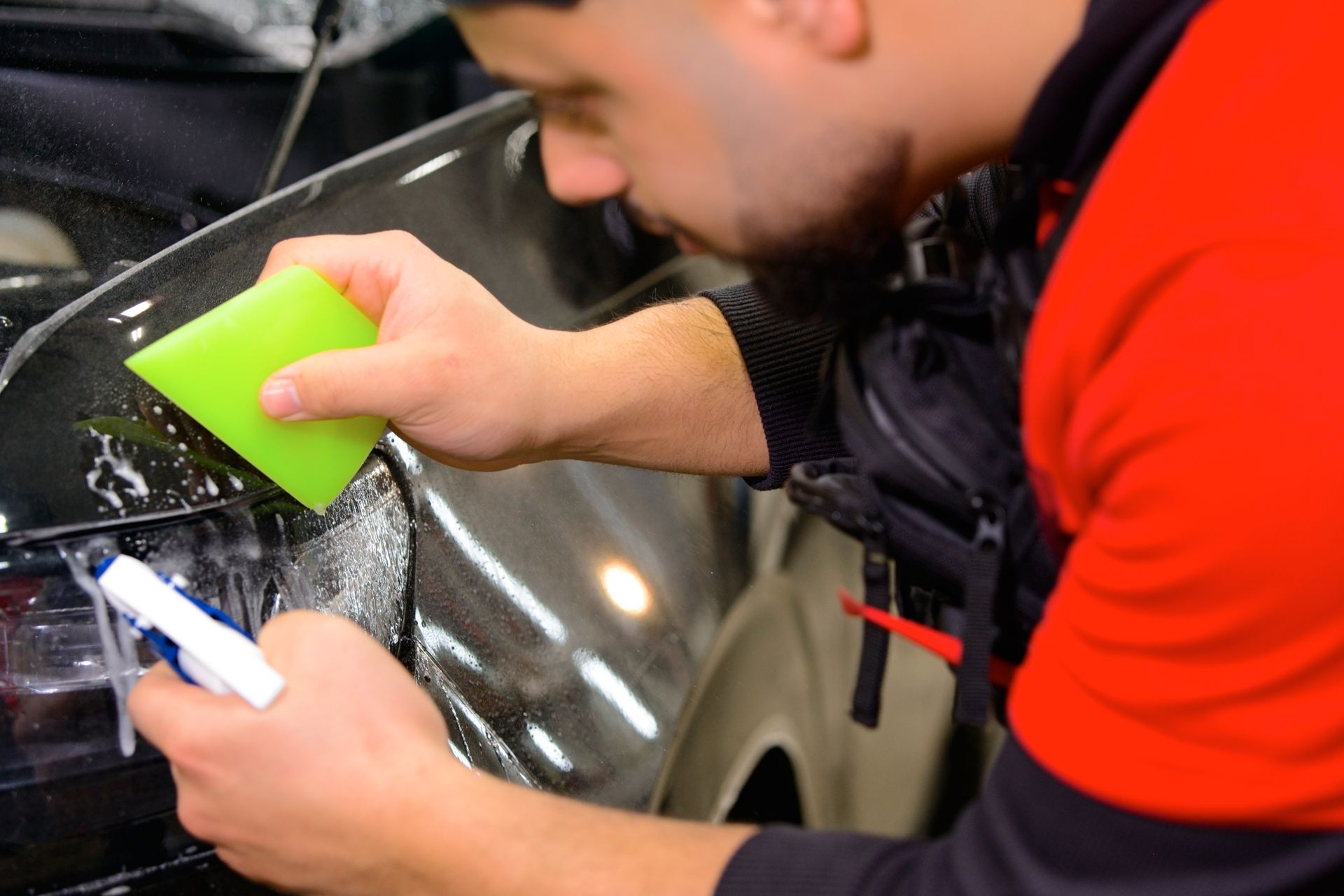
STEK and XPEL films protect automotive paint against stone chips, road debris, and certain surface damage. Both brands offer gloss and satin-style options, but their products differ in topcoat characteristics, appearance, and available features.
| Comparison Factor | STEK | XPEL |
|---|---|---|
| Gloss PPF | DYNOshield | ULTIMATE PLUS, ULTIMATE FUSION |
| Satin-style PPF | DYNOmatte | Stealth |
| Hydrophobic properties | DYNOshield, DYNOmatte | ULTIMATE FUSION |
| Self-healing | Available on relevant products | Available on relevant products |
| Published thickness | DYNOshield: 8 mil | ULTIMATE PLUS: 8 mil |
| Installation support | Depends on product and installer | DAP pre-cut patterns for supported vehicles |
| Warranty | 10-year warranty, subject to applicable terms | ULTIMATE PLUS, STEALTH: 10-year limited warranty |
STEK and XPEL take different approaches to surface performance across their PPF product lines. STEK DYNOshield combines gloss, self-healing, and hydrophobic properties in one film, while XPEL offers ULTIMATE PLUS for gloss protection and self-healing, alongside ULTIMATE FUSION for drivers who also prioritize water repellency. These distinctions provide a useful starting point for comparing the specific products in terms of finish, maintenance, and long-term performance.
How Do STEK DYNOshield and XPEL ULTIMATE PLUS Compare?
STEK DYNOshield and XPEL ULTIMATE PLUS are gloss paint protection films designed to protect automotive paint while maintaining its original appearance. Both have a nominal thickness of 8 mil and offer self-healing properties, but they differ in their surface features.
Finish and Optical Appearance
STEK DYNOshield and XPEL ULTIMATE PLUS both maintain a gloss finish. The final appearance depends on the film's optical properties, the condition of the underlying paint, panel geometry, lighting, and installation technique.
STEK highlights DYNOshield's high-gloss appearance and optical clarity. However, these product claims do not establish that one film will consistently look better than the other in every installation. Comparing completed installations under similar lighting conditions can help you assess the results.
Hydrophobic Performance
DYNOshield’s integrated hydrophobic topcoat beads water and makes routine cleaning easier. XPEL ULTIMATE PLUS does not include the same integrated hydrophobic topcoat as XPEL ULTIMATE FUSION.
For drivers who prioritize water repellency, ULTIMATE FUSION is the more relevant XPEL product to compare with DYNOshield. Hydrophobic performance can vary with contamination, maintenance, and film condition.
| Feature | STEK DYNOshield | XPEL ULTIMATE PLUS |
|---|---|---|
| Finish | Gloss | Gloss |
| Nominal thickness | 8 mil | 8 mil |
| Self-healing | Yes | Yes |
| Integrated hydrophobic topcoat | Yes | Does not offer the same hydrophobic topcoat as ULTIMATE FUSION |
| Warranty | 10-year warranty, subject to applicable terms | 10-year limited warranty, subject to applicable terms |
| Key distinction | Gloss, self-healing, and hydrophobic properties | Gloss and self-healing protection |
The main difference is surface performance, not simply overall protection. Compare DYNOshield with ULTIMATE PLUS if gloss and self-healing are your priorities, or consider ULTIMATE FUSION if you want to compare hydrophobic performance more directly.
How Do STEK DYNOmatte and XPEL STEALTH Compare?
STEK DYNOmatte and XPEL STEALTH are satin-finish paint protection films (PPF) that protect painted surfaces while giving glossy paint a less reflective appearance. Both offer paint protection and self-healing capabilities, but their documented surface properties and warranty terms differ.
The final appearance depends on the vehicle’s paint condition and installation quality. Reviewing completed installations on a similar vehicle and paint color can help you assess finish consistency before choosing.
| Feature | STEK DYNOmatte | XPEL STEALTH |
|---|---|---|
| Finish | Satin finish | Satin finish |
| Hydrophobic properties | Hydrophobic topcoat | Hydrophobic properties can be added with XPEL FUSION PLUS SATIN ceramic coating |
| Self-healing | Yes, with heat or hot water | Yes, light scratches and swirls can heal over time |
| Warranty | 10 years against specified film defects, subject to applicable terms | 10-year limited warranty against specified film defects, subject to applicable terms |
Before installation, compare the warranty exclusions, maintenance requirements, and recommended care products for each film. Ask the installer how they handle edges and panel transitions to maintain a consistent satin appearance across the vehicle.
Which Brand Has Better Optical Clarity and Orange Peel Control?
Optical clarity describes how clearly the original paint remains visible through PPF. Orange peel texture is an uneven surface that resembles orange skin and distorts reflections.
STEK promotes DYNOshield for its gloss and optical clarity. However, a brand-level claim does not establish that every STEK installation will have less visible texture than every XPEL installation.
The finished appearance also depends on the underlying paint and installation quality. Existing defects may remain visible beneath clear film unless the paint receives appropriate preparation beforehand.
What to Check Before Choosing
- Paint clarity: Check whether the original color and metallic flake remain visible.
- Surface texture: Inspect the film under direct and angled lighting.
- Gloss consistency: Look for consistent reflections across adjacent panels.
- Edge finishing: Check whether seams and wrapped edges are discreet.
- Installation quality: Look for contamination, lifting edges, and visible application defects.
Orange peel is primarily an appearance consideration, not proof that a film has failed to protect the paint. Ask the installer to show comparable vehicles fitted with each product before making a decision.
How Do Hydrophobic Properties and Self-Healing Compare?
Hydrophobic performance and self-healing technology serve different purposes. Hydrophobic properties affect how water interacts with the film's surface, while self-healing technology helps certain minor marks recover under suitable conditions.
Hydrophobic Performance
STEK DYNOshield and DYNOmatte feature hydrophobic properties. XPEL ULTIMATE FUSION incorporates a hydrophobic topcoat, while standard ULTIMATE PLUS does not provide the same integrated feature.
Water beading can support easier cleaning, but it does not eliminate washing or guarantee that dirt, road film, and other contaminants will not accumulate. Maintenance requirements depend on driving conditions, environmental exposure, washing methods, and the film's condition.
Self-Healing Performance
Self-healing PPF recovers certain minor scratches and swirl marks when exposed to heat. Depending on the film, heat from sunlight or warm water may help activate this process.
Self-healing does not repair every type of damage. Deep scratches, cuts, punctures, and damage that penetrates the film may require professional assessment or film replacement.
Warranty Coverage
Warranty terms should be checked against the exact product and installation date.
STEK covers DYNOshield with a 10-year warranty. XPEL lists a 10-year limited warranty for ULTIMATE PLUS and STEALTH, subject to applicable terms and exclusions.
Before purchasing either product, ask the installer to confirm the current warranty period, covered defects, exclusions, registration requirements, and maintenance conditions in writing.
Yellowing and Stain Resistance
Premium PPF products are designed to resist deterioration such as yellowing, cracking, and delamination. However, no film is immune to every environmental condition or chemical exposure.
Bird droppings, insect residue, harsh chemicals, and prolonged contamination can affect a film's surface if left untreated. Prompt cleaning and manufacturer-recommended maintenance help preserve its appearance.
| Property | What It Does | What It Does Not Guarantee |
|---|---|---|
| Hydrophobic topcoat | Encourages water beading and supports easier cleaning | Maintenance-free paint protection |
| Self-healing layer | Helps certain minor marks recover under suitable conditions | Repair of deep scratches or cuts |
| UV and discoloration resistance | Helps preserve film appearance | Complete immunity to discoloration |
| Stain resistance | Helps resist certain contaminants | Protection from every chemical or contaminant |
Which Brand Is Easier to Install?
Installation difficulty depends on the film, vehicle design, panel geometry, pattern availability, and installer experience. Neither brand should be considered universally easier to install based on assumed differences in adhesive strength alone.
XPEL's Design Access Program (DAP) provides pre-cut patterns for supported vehicles. XPEL’s DAP pre-cut patterns let installers plan coverage and reduce cutting on the paint. Confirm the exact DAP pattern for your vehicle’s make, model, and year.
STEK installation methods also depend on the selected product, available patterns, and the installer's approach to coverage and edge finishing.
Installation Factors to Compare
| Factor | What to Ask the Installer |
|---|---|
| Pattern availability | Is a pattern available for my exact vehicle? |
| Customization | Can coverage be adjusted for specific panels? |
| Edge wrapping | Which edges can be wrapped, and which will remain visible? |
| Complex panels | How are bumpers, mirrors, and curved areas handled? |
| Paint preparation | Is paint correction or decontamination required? |
| Aftercare | What maintenance and inspection schedule is recommended? |
A shop's experience with your selected film can influence the final result. Review completed installations and ask how the shop handles lifting edges, installation defects, and warranty-related concerns before committing to a full-body package.
Is STEK or XPEL Better for Full-Body PPF?
Full-body PPF covers more painted panels than partial-front or full-front packages, helping protect areas that may otherwise remain exposed to road debris, minor abrasions, and environmental contamination.
STEK and XPEL both offer products that can be used for extensive vehicle coverage. The right choice depends on the specific film, the appearance you want, the available warranty, and the installer's experience.
Consider these factors when comparing full-body packages:
- Film selection: Compare the exact gloss or satin product, including hydrophobic properties and self-healing features.
- Coverage map: Confirm which painted panels are included and which areas are excluded.
- Installation details: Ask about paint preparation, edge wrapping, and any required disassembly.
- Warranty: Review the product's applicable terms and exclusions.
- Total cost: Compare the complete installed package rather than a starting price alone.
Full-body PPF is not automatically the best value for every driver. If your main concern is stone chips on the hood, bumper, fenders, and mirrors, a full-front package may provide a more suitable balance of coverage and cost. Drivers seeking broader protection for a high-value vehicle may prefer full-body coverage.
Is STEK or XPEL Better for Tesla?
Tesla owners should compare the same factors as other vehicle owners, with particular attention to the vehicle's body panels, paint condition, intended use, and the areas most exposed to road debris.
STEK DYNOshield is an option for Tesla owners who want a gloss film with self-healing and hydrophobic properties. XPEL ULTIMATE PLUS is another gloss option, while XPEL ULTIMATE FUSION adds a hydrophobic topcoat. For a satin appearance, compare STEK DYNOmatte with XPEL STEALTH.
There is no single PPF brand that is automatically best for every Tesla. The more useful decision is which film and coverage package match your priorities.
- For targeted protection: Consider partial-front coverage if you primarily want to protect selected high-impact areas.
- For broader front-end protection: Compare the hood, bumper, fender, and mirror coverage in each full-front package.
- For more comprehensive protection: Consider full-body coverage if you want to protect a larger portion of the vehicle's painted exterior.
- For easier maintenance: Compare the hydrophobic properties of the specific films rather than comparing brand names alone.
- For appearance: Choose between gloss and satin options based on the finish you want to maintain.
How Much Does STEK and XPEL PPF Cost?
Professional STEK and XPEL paint protection film installation typically costs between $1,000 and $8,500 or more, depending on the coverage package. Actual quotes may be higher for larger vehicles, luxury or exotic cars, specialty finishes, or installations involving complex body panels.
When comparing STEK and XPEL, request quotes for equivalent coverage. Evaluate each film's finish, self-healing and hydrophobic properties, warranty terms, and installation quality to determine which offers better value.
What Should You Ask Before Choosing STEK or XPEL?
Evaluate the film's finish, performance, warranty, and installation method before choosing a brand.
- Finish and performance: Do you prefer gloss, satin, or matte? Is optical clarity, hydrophobic performance, or installation flexibility your priority?
- Warranty coverage: STEK DYNOshield carries a 10-year manufacturer warranty, while XPEL ULTIMATE PLUS and STEALTH carry a 10-year limited warranty. Review exclusions and claim requirements for the exact product.
- Ceramic coating and edge coverage: Ask whether ceramic coating is compatible with the film, whether edges can be wrapped, and which panels are included.
- Installation method: XPEL offers its Design Access Program (DAP) for supported precut patterns. Ask whether the installer uses precut patterns or custom installation methods.
- Installer experience: Confirm how regularly the shop installs your chosen brand and request examples of comparable vehicles before committing to a full-body installation.
Ready to Explore STEK PPF for Your Vehicle?
The right paint protection film package depends on your vehicle, preferred finish, and coverage goals. L&M Pro Car Detailing in Everett, WA, offers STEK PPF installation options for drivers seeking front-end or full-body paint protection.
Explore
STEK PPF installation in Everett to review the available services and
request a quote for your vehicle.
Frequently Asked Questions
Is STEK DYNOshield thicker than XPEL ULTIMATE PLUS?
Both STEK DYNOshield and XPEL ULTIMATE PLUS are specified at 8 mil nominal thickness. However, thickness alone does not determine which film offers better protection or appearance. Film construction, topcoat properties, installation quality, and exposure to road hazards also matter.
Does XPEL ULTIMATE PLUS need a ceramic coating?
No. XPEL ULTIMATE PLUS can protect paint without an additional ceramic coating. However, it lacks the integrated hydrophobic topcoat found in XPEL ULTIMATE FUSION. A compatible ceramic coating may provide additional surface benefits, subject to the manufacturer's recommendations.
Can STEK DYNOmatte and XPEL STEALTH change gloss paint to a satin finish?
Yes. Both products can transform factory gloss paint into a satin-style finish while providing PPF protection. The final appearance depends on the original paint, film selection, and installation quality. Review examples on similar paint colors before choosing a product.
Is orange peel a sign of poor PPF protection?
Not necessarily. Orange peel refers to a textured surface appearance and does not, by itself, prove that the film provides inadequate protection. However, unusually pronounced texture, bubbles, lifting edges, or an inconsistent finish should be assessed by a qualified installer.
How long does a full-body PPF installation take?
A full-body PPF installation may take several days, depending on vehicle size, panel complexity, paint preparation, and the installer's process. L&M Pro Car Detailing lists an estimated five-day installation period for its full-car Tesla PPF packages. Confirm the expected timeline for your vehicle and selected film before booking.
Which PPF brand is better for Tesla?
Neither STEK nor XPEL is automatically the best choice for every Tesla. Compare the specific film, preferred finish, coverage, hydrophobic properties, warranty, and installation quality. DYNOshield and ULTIMATE PLUS are gloss options, ULTIMATE FUSION adds an integrated hydrophobic topcoat, and DYNOmatte and STEALTH offer satin-style finishes.
About the Author
Written by L&M Pro Car Detailing, an Everett, WA-based automotive detailing business offering STEK paint protection film and vehicle protection services.
Last Updated: October 9, 2026
Disclaimer: This article provides general information to help vehicle owners compare PPF products. Product specifications, prices, installation availability, and warranty conditions may change. Confirm applicable details with the manufacturer and installer before making a purchase.

Recent Blogs