Expert Guide: How To Repair A Leaking RV Roof
If you’re dealing with water stains or dripping inside your RV, acting fast is critical. Even a small RV roof leak can lead to mold growth, insulation damage, and potential structural weakening over time if left untreated.
In this guide, L&M Pro Car Detailing explains how to repair a leaking RV roof step by step, from inspection to permanent fixes, so you can confidently solve RV roof leak problems and extend your vehicle’s lifespan.
Key Takeaways
- To repair a leaking RV roof, identify the leak source, clean and dry the surface, apply a compatible sealant, and reinforce damaged areas if needed
- Most temporary RV roof leak fixes typically last from a few weeks to several months, while proper repairs can last several years
- RV roof leaks are commonly caused by sealant failure, UV damage, and aging materials
- Using the correct sealant for your roof type (EPDM, TPO, fiberglass, or metal) is essential to prevent recurring leaks
- Poor surface preparation is one of the main causes of repair failure
- Regular inspections every 3–6 months help detect leaks early and reduce repair costs
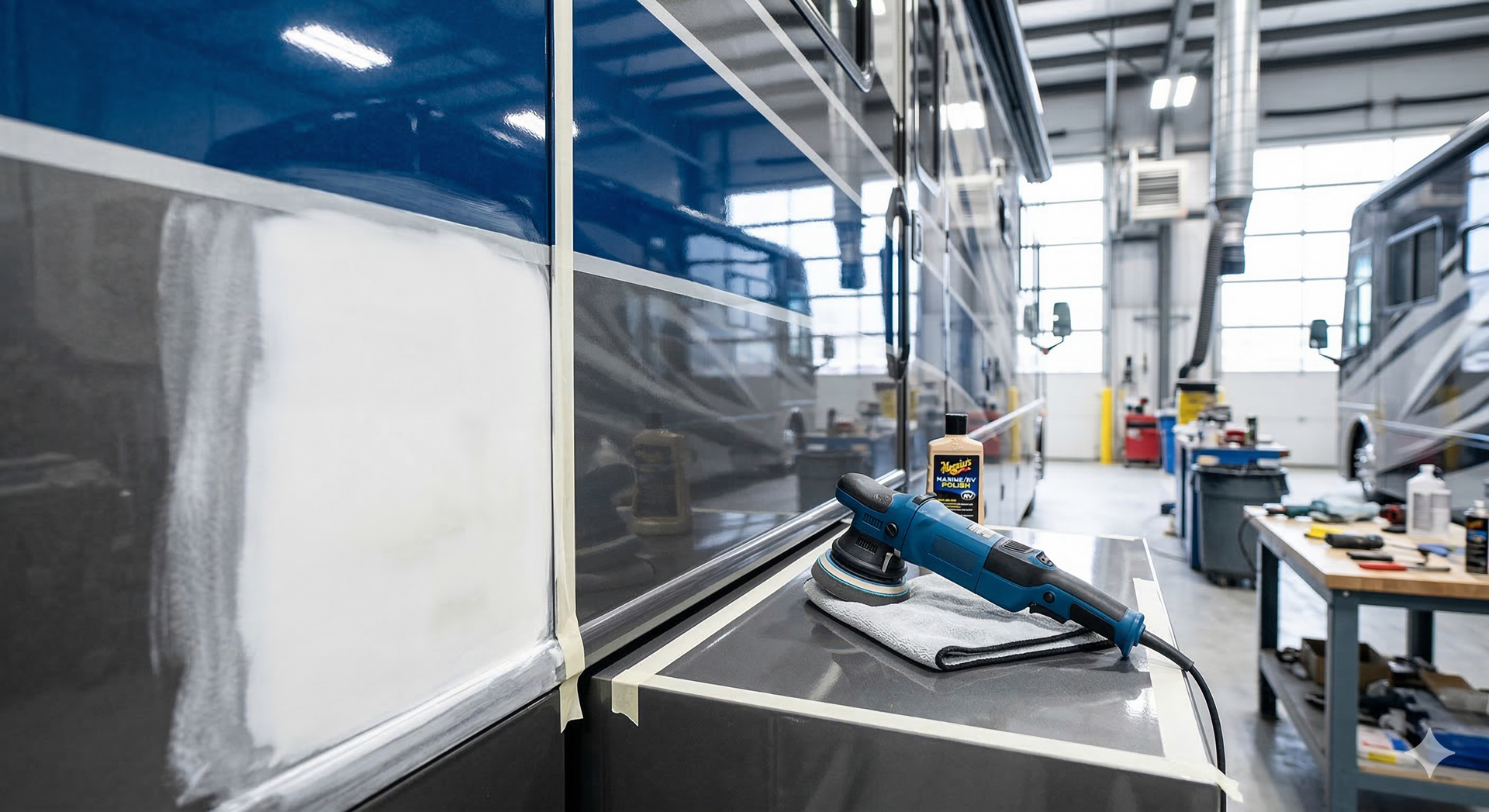
What Causes RV Roof Leaks?
RV roof leaks are usually caused by sealant failure, UV damage, aging materials, or improper installation.
Common causes include:
- Cracked or dried sealant around seams and vents
- UV exposure breaks down rubber (EPDM/TPO) roofs
- Loose or poorly installed roof components
- Physical damage from branches or debris
Understanding the cause helps you choose the correct repair method and prevent future leaks.
What Should You Do Immediately After Detecting An RV Roof Leak?
When you discover a leak, your priority should be minimizing damage. Move valuables away from the affected area, use towels or containers to catch water, and begin identifying the source of the leak.
Even small leaks shouldn’t be ignored. What starts as a minor issue can quickly lead to mold growth, insulation damage, and weakened roof structure.
Step-By-Step: How To Repair A Leaking RV Roof
Clean The Damaged Area
Remove dirt, debris, and old sealant using a roof-safe cleaner. A clean surface ensures the new sealant bonds properly.
Dry The Surface Completely
Make sure the area is fully dry before applying any materials. Moisture can prevent proper adhesion and cause the repair to fail.
Apply The Correct Sealant
Use a sealant compatible with your roof type (EPDM, TPO, fiberglass, or metal). Most RV roofs require lap sealant (self-leveling for horizontal surfaces, non-sag for vertical areas), rather than generic adhesives or silicone.
Using the wrong product, especially silicone, can lead to recurring leaks and make future repairs difficult.
Reinforce With A Patch If Needed
For cracks, seams, or larger damaged areas, apply repair tape or a patch over the sealant to strengthen the repair.
Allow Proper Curing Time
Follow the manufacturer’s recommended curing time to ensure a durable, long-lasting seal. Curing performance depends on temperature and humidity, so always apply within the recommended conditions.
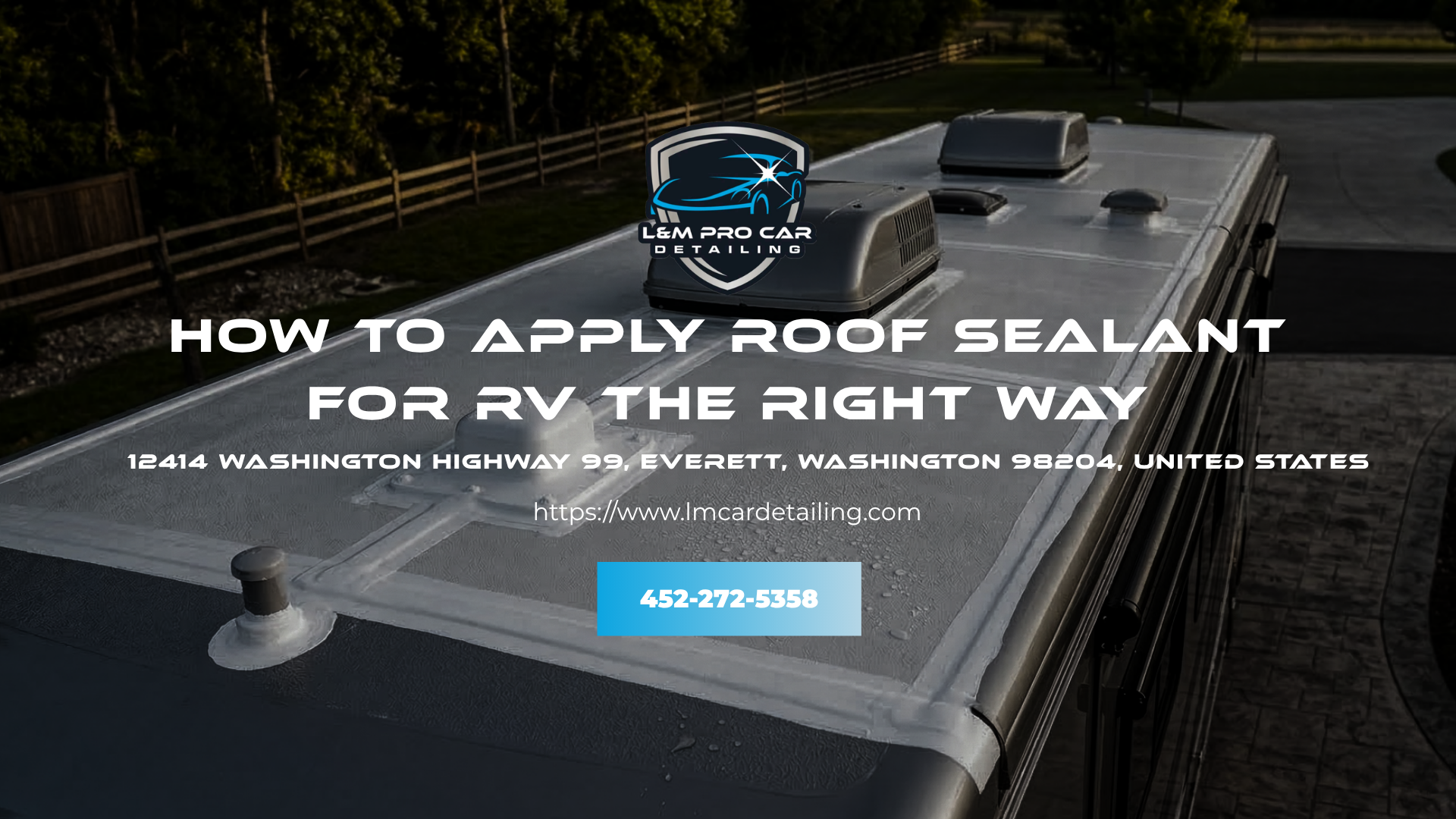
Learning how to apply RV roof sealant correctly is essential to prevent recurring leaks and ensure long-term durability.
How To Find The Source Of A Leak
Before making any repairs, you need to locate the exact entry point of the water.
Inside Your RV
Look for:
- Stains or discoloration on ceilings
- Soft or sagging areas
- Moisture around vents, lights, or cabinets
On The Roof
Inspect common problem areas such as:
- Seams and joints
- Roof vents and skylights
- Air conditioning units or mounted components
If the source isn’t obvious, a controlled water test can help pinpoint where the leak is coming from. Use low water pressure and start testing from lower sections upward to avoid creating false leak paths.
Which RV Roof Type Requires Which Repair Method?
Different RV roof materials require different repair approaches. Using the wrong product is a common reason repairs fail.
| Roof Type | Recommended Sealant | Lifespan | Repair Difficulty |
|---|---|---|---|
| EPDM | Self-leveling lap sealant (rubber-compatible) | 10–15 years | Easy |
| TPO | Manufacturer-approved lap sealant or TPO-compatible sealant (not all acrylic products are suitable) | 10–20 years | Medium |
| Fiberglass | Polyurethane sealant or RV lap sealant (resin only for structural repair) | 20+ years | Medium |
| Metal | Butyl tape + lap sealant (coatings optional for added protection) | 20+ years | Easy |
What Tools Do You Need for RV Roof Repair?
Having the right tools improves repair quality and prevents repeat leaks.
Essential tools include:
- Caulking gun
- RV roof sealant (compatible with material)
- Roof cleaner
- Repair tape or patch kit
- Ladder and safety gear
Common RV Roof Repair Mistakes To Avoid
Even small mistakes can lead to recurring leaks and costly damage.
- Using the wrong sealant (especially silicone, which adheres poorly to most RV roofing materials and is difficult to remove)
- Skipping proper cleaning and preparation
- Applying sealant over wet or dirty surfaces
- Ignoring hidden moisture beneath the roof layer
- Relying too heavily on temporary fixes like repair tape
Avoiding these mistakes can significantly extend the life of your repair.
Temporary Fixes For RV Roof Leaks
If you’re traveling or waiting for a full repair, temporary solutions can help limit damage.
- Use RV sealant or repair tape for small cracks
- Apply reinforced patches for seams or larger areas
These fixes typically last from a few weeks to several months depending on conditions and should not replace permanent repairs.
Why Does Proper Application Determine Long-Term Results?
Long-term repair involves more than just applying sealant. It requires proper cleaning, correct materials, and careful application.
Seams, vents, and roof openings must be resealed correctly to prevent water intrusion. Skipping preparation or using incompatible products are among the main reasons leaks return after DIY repairs.
Surface Preparation For Better Results
Preparation is one of the most important steps in repairing an RV roof and maintaining long-term durability. Using proper RV roof protection methods helps prevent future leaks and extends the lifespan of your roof.
- Clean the surface thoroughly to remove dirt and oils
- Ensure the area is completely dry
- Sand surfaces when necessary to improve adhesion
- Apply sealant within the recommended temperature range (typically above 10°C / 50°F for most products)
Poor preparation is a leading cause of repair failure.
How Much Does RV Roof Repair Cost?
RV roof repair costs typically range from $200 to $1,500, depending on damage severity and materials used.
- Minor DIY repairs: $50–$200
- Professional repairs: $300–$1,500+
- Full roof replacement: $3,000–$10,000
Understanding costs helps you decide between DIY repair and professional service.
Repair Vs. Replacement: When To Decide
In some cases, repairs may not be enough. Consider a full roof replacement if:
- More than 20% of the roof is damaged
- Leaks continue after multiple repairs
- Underlying structure shows signs of rot, delamination, or long-term water damage
Although replacement has a higher upfront cost, it may be more cost-effective in the long run.
How Often Should You Inspect Your RV Roof?
Inspect your RV roof at least every 3–6 months and after heavy rain or long trips.
Regular inspections help:
- Detect early cracks or sealant failure
- Prevent expensive repairs
- Extend roof lifespan
Professional RV Roof Repair In Everett, WA
If you prefer a long-term, risk-free solution, professional repair ensures proper sealing and durability.
L&M Pro Car Detailing offers:
- Comprehensive leak inspections
- Seam resealing and patching
- Preventive maintenance solutions
- Honest recommendations on repair vs. replacement
Our team helps RV owners in Everett, WA, keep their vehicles leak-free and road-ready.
Protect Your RV Before Leaks Get Worse
Need help repairing a leaking RV roof or preventing future issues?
Book RV Roof Sealing & Leak Prevention with L&M Pro Car Detailing today. Get expert inspection, professional sealing, and peace of mind for every trip.
FAQs
How long does it take to repair a leaking RV roof?
Minor repairs may take a few hours, while more complex issues can take a full day or longer, depending on the damage.
What is the best sealant for RV roof leaks?
The right sealant depends on your roof type. In most cases, RV-specific lap sealants are preferred over general-purpose sealants.
Can I repair my RV roof myself?
Small temporary fixes are possible, but improper repairs can lead to recurring leaks. Professional service is recommended for reliable results.
How much does RV roof repair cost?
Costs vary based on damage, but professional repairs typically range from a few hundred to over a thousand dollars.
How can I prevent RV roof leaks?
Regular inspections, cleaning, and resealing are the best ways to prevent leaks and extend the roof's lifespan.

Recent Blogs